
Emergency Pericardiocentesis: Tactical Cardiac Relief
In a high-stakes medical emergency, seconds matter. If a casualty develops cardiac tamponade— a life-threatening condition where fluid builds up around the heart — pericardiocentesis may be the only way to restore circulation long enough for evacuation. Though rare outside hospitals, this life-saving procedure can be performed in the field by trained medical personnel when death is imminent.
What Is Cardiac Tamponade?
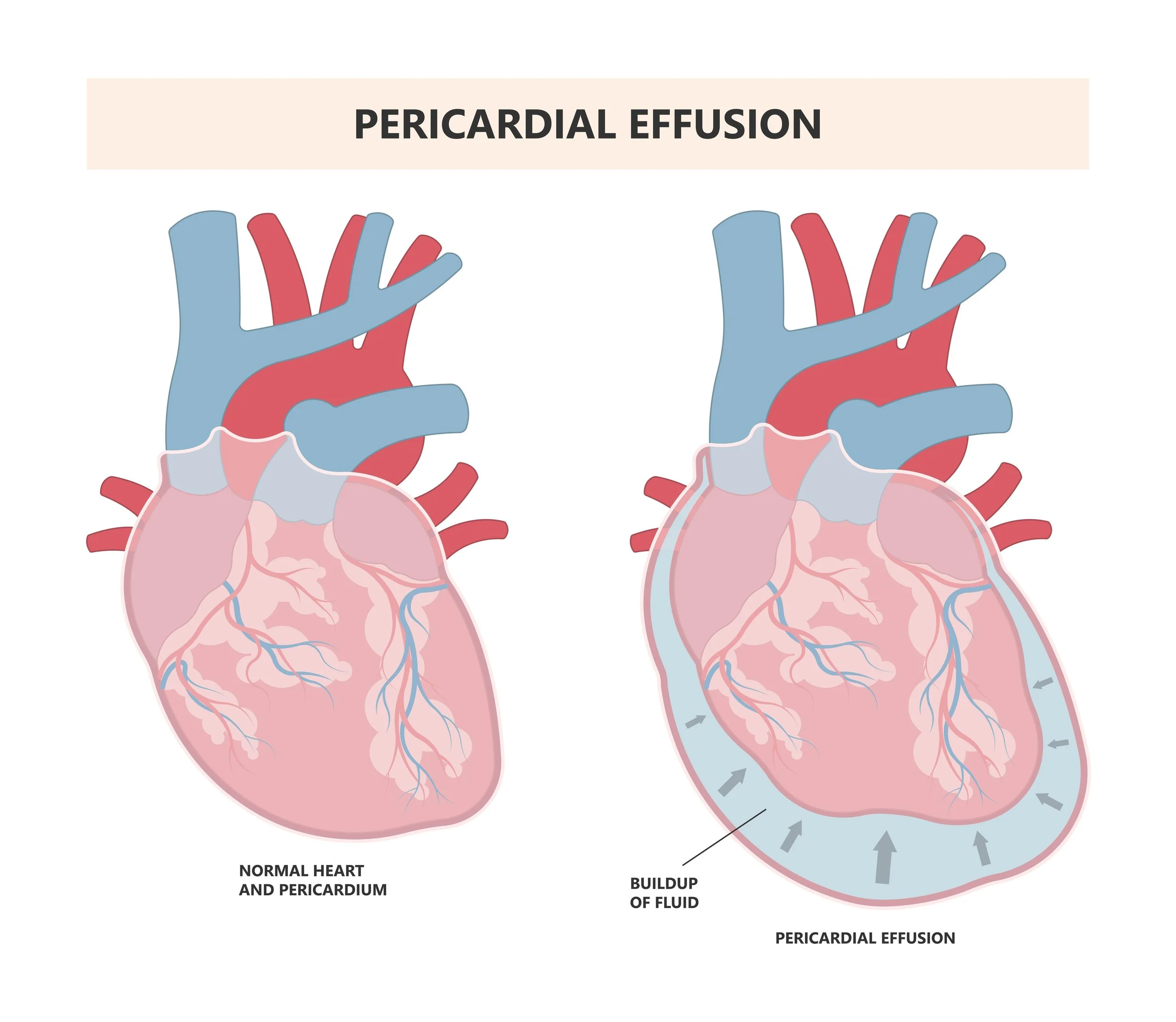
Cardiac tamponade occurs when fluid — often blood from trauma — fills the sac surrounding the heart (the pericardium), compressing it and preventing normal heart function.
Key signs include:
Rapid drop in blood pressure
Muffled heart sounds
Distended neck veins
Signs of shock
Electrical alternans on ECG
What Is Pericardiocentesis?
Pericardiocentesis involves inserting a needle into the pericardial sac to drain fluid and relieve pressure on the heart. It’s typically done using ultrasound guidance in a hospital — but in combat or remote trauma settings, trained providers may need to act without imaging.
Field Considerations
Supplies: Long spinal needle, 10–20 mL syringe, antiseptic
Approach: Subxiphoid or parasternal insertion
Technique: Aspirate slowly, watch for blood return
Complications: Risk of puncturing coronary vessels or myocardium
When to Attempt
Confirmed/suspected cardiac tamponade with pulseless electrical activity (PEA)
No other reversible cause of shock
No immediate access to surgical intervention
This is a last-resort, high-risk intervention appropriate only for experienced tactical medics or physicians with advanced training.
Tactical Takeaway
Pericardiocentesis can give just enough time to stabilize and transport. It’s not for everyone—but if you’re leading a med team in remote or combative conditions, understanding this procedure could save a life.
Medical Disclaimer: This blog is intended for informational and educational purposes only. It is not intended to diagnose, treat, or replace medical advice from a licensed healthcare provider. Always consult your doctor before starting any new health regimen or interpreting lab results. If you are experiencing a medical emergency, call 911 or go to the nearest emergency room immediately.
