Obesity in First Responders: Understanding the Causes, Risks, and Road to Recovery
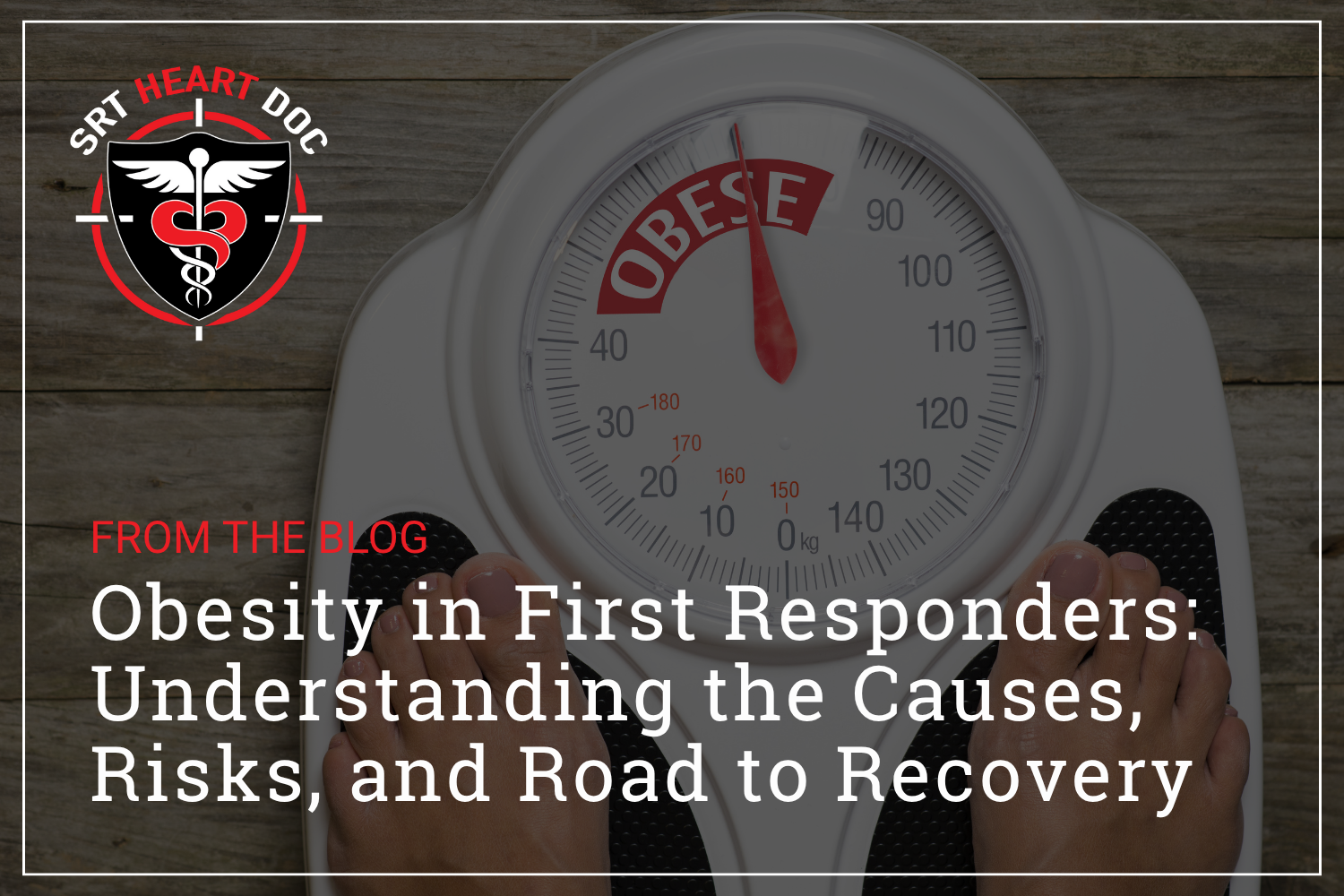
Obesity among first responders is a growing concern that affects both personal health and team readiness. This isn’t about blame — it’s about awareness. Police officers, firefighters, EMTs, and tactical medics face unique physiological and psychological demands that make weight management a challenge. Understanding the drivers behind this trend and its long-term cardiovascular implications is essential for protecting lives and careers.
The Reality Behind the Numbers
Obesity rates among first responders surpass those in the general population. A 2014 study found that nearly 80% of U.S. firefighters were overweight or obese — compared to roughly 70% of civilians. Law enforcement officers and EMS workers reflect similar trends.
Why?
Shift work disrupts sleep and hormone cycles
Stress and adrenaline spikes promote fat storage
Fast food or vending machines dominate shift nutrition
Physical exhaustion doesn't always equal effective exercise
What the Imaging and Labs Reveal
Visceral fat increases insulin resistance and inflammation
Fatty deposits in the liver and heart contribute to early disease
Coronary artery calcium (CAC) scores are often elevated
Imaging may show heart thickening and dysfunction — even without symptoms
Root Causes in First Responders
Circadian Disruption: Irregular shifts increase cortisol and ghrelin (hunger hormone), reduce leptin (satiety hormone)
Chronic Stress: Persistent vigilance elevates cortisol and blood sugar
Poor Nutrition Access: Quick meals and energy drinks often replace balanced fuel
Occupational Fatigue: Long days in gear drain energy but don’t build fitness
Cultural Pressures: Prioritizing mission performance often means neglecting personal health
Long-Term Health Risks
Hypertension and heart remodeling
Coronary artery disease and sudden cardiac death (a top on-duty killer)
Sleep apnea and cardiac arrhythmias
Type 2 diabetes and insulin resistance
Joint degeneration and reduced mobility
Increased fatigue and poor heat tolerance
Strategies for Recovery
A multi-disciplinary approach is key:
Medical screening (labs, CAC scoring, EKG, echo)
Nutrition planning tailored to shift work
Exercise programming for tactical performance
Mental health support: CBT, peer support, stress eating management
Cultural shifts: Command buy-in and structured wellness programs
Tactical Takeaway
This isn’t about failure — it’s about physiology, culture, and support. Obesity in first responders must be approached as a health and safety priority. Agencies that invest in prevention, screening, and recovery will retain healthier, more mission-ready teams — and save lives in the process.
Medical Disclaimer: This blog is intended for informational and educational purposes only. It is not intended to diagnose, treat, or replace medical advice from a licensed healthcare provider. Always consult your doctor before starting any new health regimen or interpreting lab results. If you are experiencing a medical emergency, call 911 or go to the nearest emergency room immediately.
