Prebiotics vs. Probiotics: What’s the Difference and Who Needs Them?
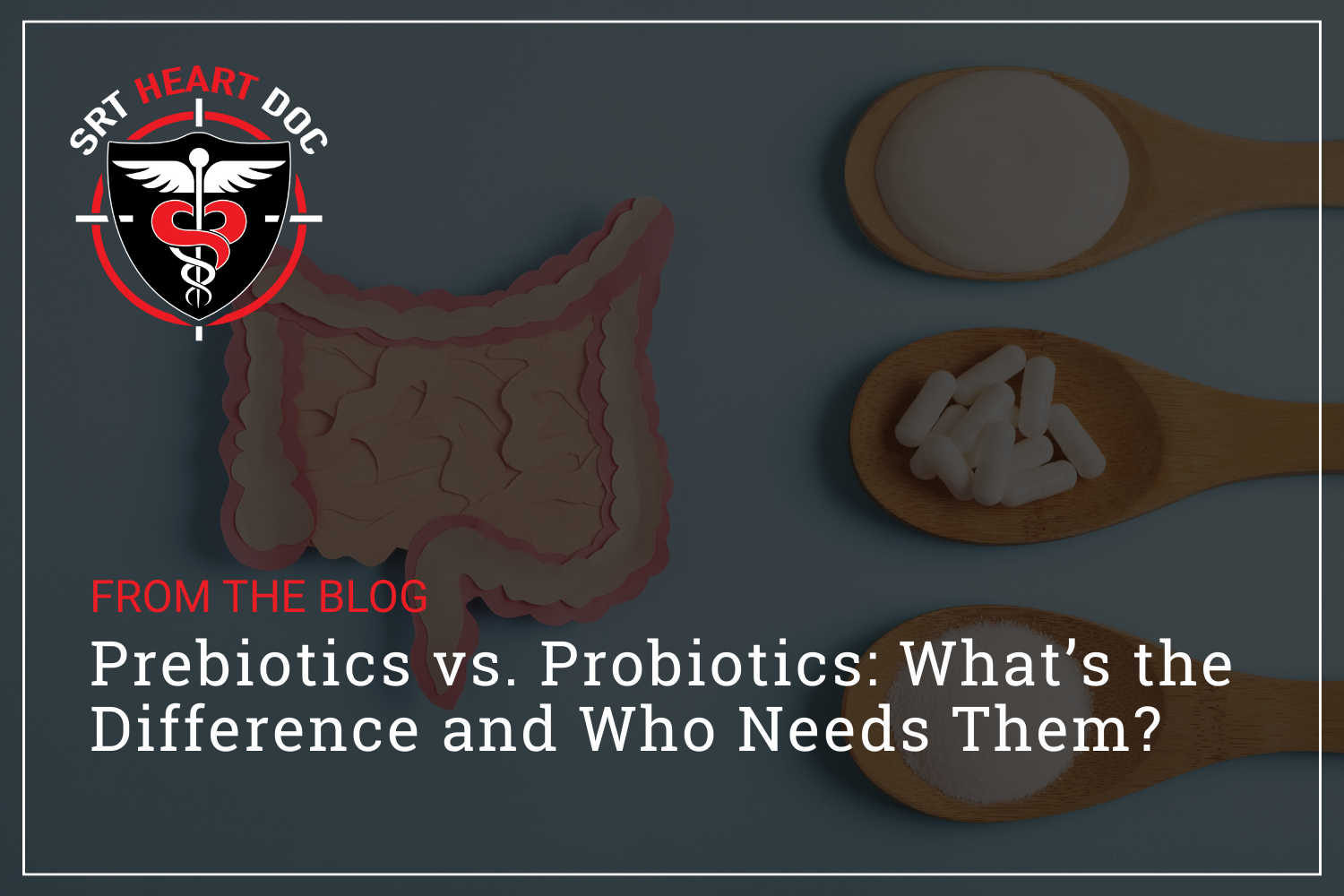
You’ve probably heard the terms “prebiotics” and “probiotics” tossed around in wellness circles, on supplement labels, or in gut health conversations. But what do they actually mean — and why do they matter for heart health?
As it turns out, a balanced gut microbiome is critical to regulating inflammation, supporting immune health, and even controlling blood pressure. Understanding the difference between prebiotics and probiotics is the first step in strengthening your gut from the inside out.
What Are Probiotics?
Probiotics are live beneficial bacteria that help maintain or restore balance in your gut. They’re the “good guys” — living microbes that support digestion, nutrient absorption, and immunity.
Common probiotic strains include:
Lactobacillus
Bifidobacterium
Saccharomyces boulardii (a healthy yeast)
You can find probiotics in fermented foods like:
Yogurt with live cultures
Kefir
Sauerkraut
Kimchi
Miso
Pickles (brined, not vinegar-based)
Kombucha
They’re also available in capsule or powder form, though quality and strain variety matter.
What Are Prebiotics?
Prebiotics are non-digestible fibers and plant compounds that feed the beneficial bacteria in your gut. Think of them as fertilizer for your microbiome — giving your probiotics the fuel they need to thrive.
Prebiotic-rich foods include:
Garlic
Onions
Leeks
Asparagus
Bananas (especially slightly green)
Chicory root
Artichokes
Oats
Apples (with the skin)
A healthy gut needs both prebiotics and probiotics to flourish — they work together as a dynamic team.
Why This Matters for Your Heart
Your gut and your cardiovascular system are connected in more ways than you think. A diverse and balanced microbiome:
Reduces systemic inflammation
Modulates blood pressure
Influences cholesterol levels
Helps regulate blood sugar
Lowers risk of plaque buildup in arteries
An unhealthy or imbalanced gut (called dysbiosis) may lead to the production of inflammatory compounds — like TMAO — that are linked to increased risk of stroke, heart attack, and metabolic disease.
Should You Take a Supplement?
In general, food sources are ideal. But there are times when a quality probiotic or prebiotic supplement may be helpful:
After taking antibiotics
During times of high stress or illness
With IBS or digestive disorders
Following a poor diet or heavy travel schedule
If your doctor recommends it based on labs or symptoms
Always look for evidence-based strains and reputable brands — and talk to your provider if you’re unsure where to start.
Tactical Takeaway
Gut health isn’t just a wellness trend — it’s a critical pillar of cardiovascular health, performance, and recovery. Whether you’re on shift, in training, or recovering from illness, supporting your microbiome with prebiotics and probiotics can make a meaningful difference in how you feel and function.
Medical disclaimer: This blog is intended for informational and educational purposes only. It is not intended to diagnose, treat, or replace medical advice from a licensed healthcare provider. Always consult your doctor before starting any new health regimen or interpreting lab results. If you are experiencing a medical emergency, call 911 or go to the nearest emergency room immediately.
